
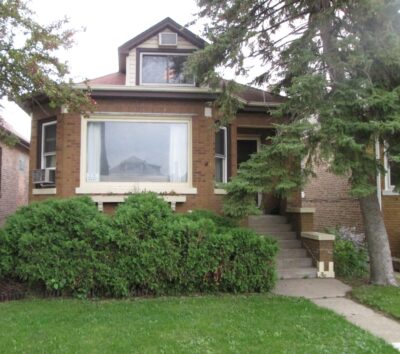
Want to reduce your utility use to lower bills permanently? Consider making your home more energy efficient. Here are 8 energy saving techniques or methods to reduce costs and feel more comfortable in your home.
1. Schedule your thermostat
When you are asleep or not at home, reduce home temperatures in winter and use a quilt. Raise temperatures in summer. Schedule a resumption to normal temperatures for when you wake up or return home. See Reduce Energy Use.
2. Use LED bulbs for frequently used lights
If a light is on hour(s) per day, make sure it is a most efficient technology: LED. When not in the room, turn off lights. See Reduce Energy Use.
3. Insulate heating pipes and air ducts
Much of your heat and coolness is lost just getting to your rooms’ vents or radiators. Where accessible, cover ducts or radiator pipes with insulation. For ducts, use aluminum foil tape first to cover duct seams; this ensures high-pressure air does not escape. Also use insulation for hot water pipes. Check basements, attics, furnace room. For further details, see Seal Home Envelope.
4. Caulk windows and use door insulation
Older homes were not built with decent insulation or sealing in mind. If you can feel cold air coming in near windows or doors on cold windy days, then consider that this is equivalent to an open window that needs to be shut and sealed. Equivalently, wherever there are protrusions through your exterior wall, seal any air leaks. To learn more about this and similar ideas, see Find and Seal Air Leaks to Make a Home More Energy Efficient
5. Use natural outdoor air
Cool off your home by opening windows when it is cooler outside. Then, close windows when inside and outside temperatures rise to near equal (and outdoor is rising). In addition, use ceiling fans as described in: Reduce Energy Use. A more expensive option is to upgrade windows: Upgrade Windows to Lower Energy Costs.
6. Purchase energy efficient appliances
Particularly air conditioners, furnaces and water heaters use a vast amount of energy. Consider purchasing efficient models as described by Efficient Heating & Air Conditioning and Upgrading a Hot-Water Heater Saves Money.
7. Insulate well
For hot and cold weather climates, insulation can usually be improved even for newer homes. Often, fixing attic or basement insulation is easy and relatively inexpensive. Find out how at: Improve insulation.
8. Perform a home energy audit
When you are done with the above steps, ask an auditor to test your home using a blow door. The auditor will show you where you need further improvement and is highly likely to show you what you did not even consider were issues. Learn about home energy audits at An Energy Audit Can Help Seal Home Envelope. Secondly, compare your home’s energy use to the average home in your state here: Compare Your Energy Use for Average U.S. Homes and here: Compare Your Electricity Use Against Average Homes (and know you can do better than average).
